
Editors Editores
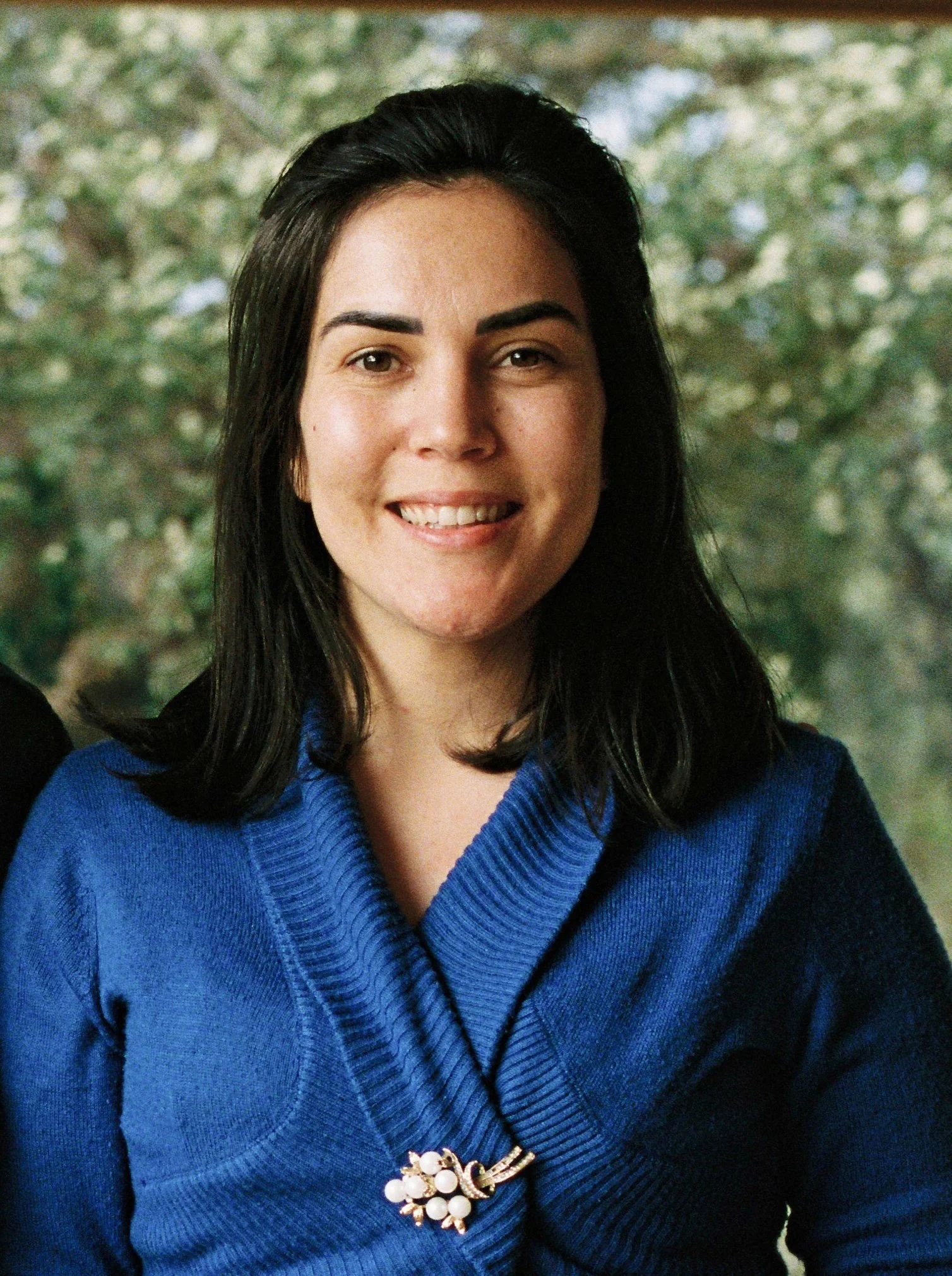
Daniela Pereira
Daniela Pereira é coeditora d’A Revista Literária de Lisboa | The Lisbon Literary Review. Licenciada em Estudos Portugueses, construiu o seu percurso em torno da língua — como revisora de texto para várias editoras, como professora de Português e, hoje, também como editora.
A experiência entre revisão, ensino e edição consolidou nela a convicção de que trabalhar a linguagem exige mais do que correção técnica: o seu trabalho editorial não se trata apenas de corrigir, mas também de escutar a intenção do autor e verificar se a linguagem a sustenta.
Segue-se uma breve conversa sobre a sua visão da literatura e da curadoria editorial.
O que distingue um bom texto de um texto apenas competente?
Um texto competente pode estar correto, mas isso não chega. O que procuro é intenção. Quando cada palavra está ali por uma razão — e não apenas porque “soa bem” ou porque cumpre uma regra — o texto ganha força. Nota-se quando alguém está realmente a trabalhar a linguagem.
Podes dar um exemplo concreto?
O uso gratuito de palavrões. Salvo raras exceções, quando a vulgaridade surge como substituto de construção literária, perde-se mais do que se ganha. A palavra forte pode ter lugar, mas deve servir o texto, não substituí-lo. Quando aparece apenas para causar impacto, normalmente é sinal de que o texto ainda não encontrou uma forma mais interessante de dizer o que quer dizer.
Que autores mais te marcaram?
Tenho de começar por Bocage, pois descobri-o na adolescência. Sempre me fascinou a forma como, sendo excessivo e assumidamente mulherengo, conseguia trabalhar a língua com tanta mestria e delicadeza que a reação quase inevitável era pensar: “Coitado!”. Também admiro muito o realismo de Eça de Queirós — a lucidez com que observava a sociedade, mesmo vindo de um meio social elevado — e a nostalgia que Antero de Quental conseguia transformar em rima. Em língua inglesa, impressiona-me a forma como Wilfred Owen conseguiu transformar uma das maiores catástrofes do século XX em poesia de grande rigor formal. Entre os contemporâneos, destaco Miguel Sousa Tavares, sobretudo Equador, um romance que cumpre de forma deliciosa a função primordial da literatura: entreter de forma irresistível — é daqueles livros que simplesmente não se consegue parar de ler.
O que esperas que um leitor encontre ao abrir um número da revista?
Espero que encontre textos que lhe mostrem algo que ainda não tinha visto daquela forma. Mas, sobretudo, que encontre reconhecimento. Quando alguém consegue transformar as suas próprias inquietações num texto belo e rigoroso, o leitor percebe que aquilo que sente não é apenas seu — faz parte da experiência humana. Não há nada de errado connosco — somos simplesmente humanos.
Que lugar queres que a revista ocupe no panorama literário?
A missão da revista é artística, mas toda a curadoria implica também uma escolha ética: decidir que vozes publicar, que linguagem valorizar e que nível de exigência manter é decidir que ideias e sensibilidades ganham espaço público. E decidir o que merece atenção é, inevitavelmente, um gesto cultural com implicações sociais e, em última instância, até políticas.
Biography
Daniela Pereira is the co-editor of A Revista Literária de Lisboa | The Lisbon Literary Review. With a degree in Portuguese Studies, she has built her career around language — as a proofreader for various publishers, as a Portuguese teacher and now also as an editor.
Her experience in proofreading, teaching, and editing has reinforced her belief that working with language requires more than technical correction: her editorial work is not just about correcting, but also about listening to the author's intention and checking whether the language supports it.
Below is a brief interview about her vision of literature and editorial curation.
What distinguishes a good text from a merely competent one?
A competent text may be correct, but correctness alone is not enough. What I look for is intention. When each word is there for a reason — and not just because it “sounds good” or because it follows a rule — the text gains strength. You can tell when someone is really working the language.
Can you give a concrete example?
The gratuitous use of profanity. With rare exceptions, when vulgarity appears as a substitute for literary construction, more is lost than gained. Strong words can have their place, but they should serve the text, not replace it. When they appear just to make an impact, it is usually a sign that the text has not yet found a more interesting way to say what it wants to say.
Which authors have shaped you the most?
I have to start with Bocage, as I discovered him in my teens. I was always fascinated by the way that, despite being excessive and an admitted womanizer, he wielded language with such mastery and delicacy that the almost inevitable reaction was to think: “Poor guy!” I also greatly admire the realism of Eça de Queirós — the lucidity with which he observed society, even though he came from a high social background — and the nostalgia that Antero de Quental managed to transform into rhyme. In the English language, I am impressed by the way Wilfred Owen managed to transform one of the greatest catastrophes of the 20th century into poetry of great formal precision. Among contemporary writers, I would highlight Miguel Sousa Tavares, especially Equador, a novel that deliciously fulfills the primary function of literature: to entertain in an irresistible way — it is one of those books that you simply cannot put down.
What do you hope readers will find when they open an issue of the magazine?
I hope they find texts that show them something they hadn't seen in that way before. But above all, I hope they find recognition. When someone manages to transform their own restlessnesses into a beautiful and rigorous text, the reader realizes that what they feel is not theirs alone — it is part of the human experience. There is nothing wrong with us — we are simply human.
What place do you want the magazine to occupy in the literary landscape?
The magazine's mission is artistic, but all curation also involves an ethical choice: deciding which voices to publish, which language to value, and what standards to maintain is to decide which ideas and sensibilities gain public space. And deciding what deserves attention is inevitably a cultural gesture with social and, ultimately, even political implications.
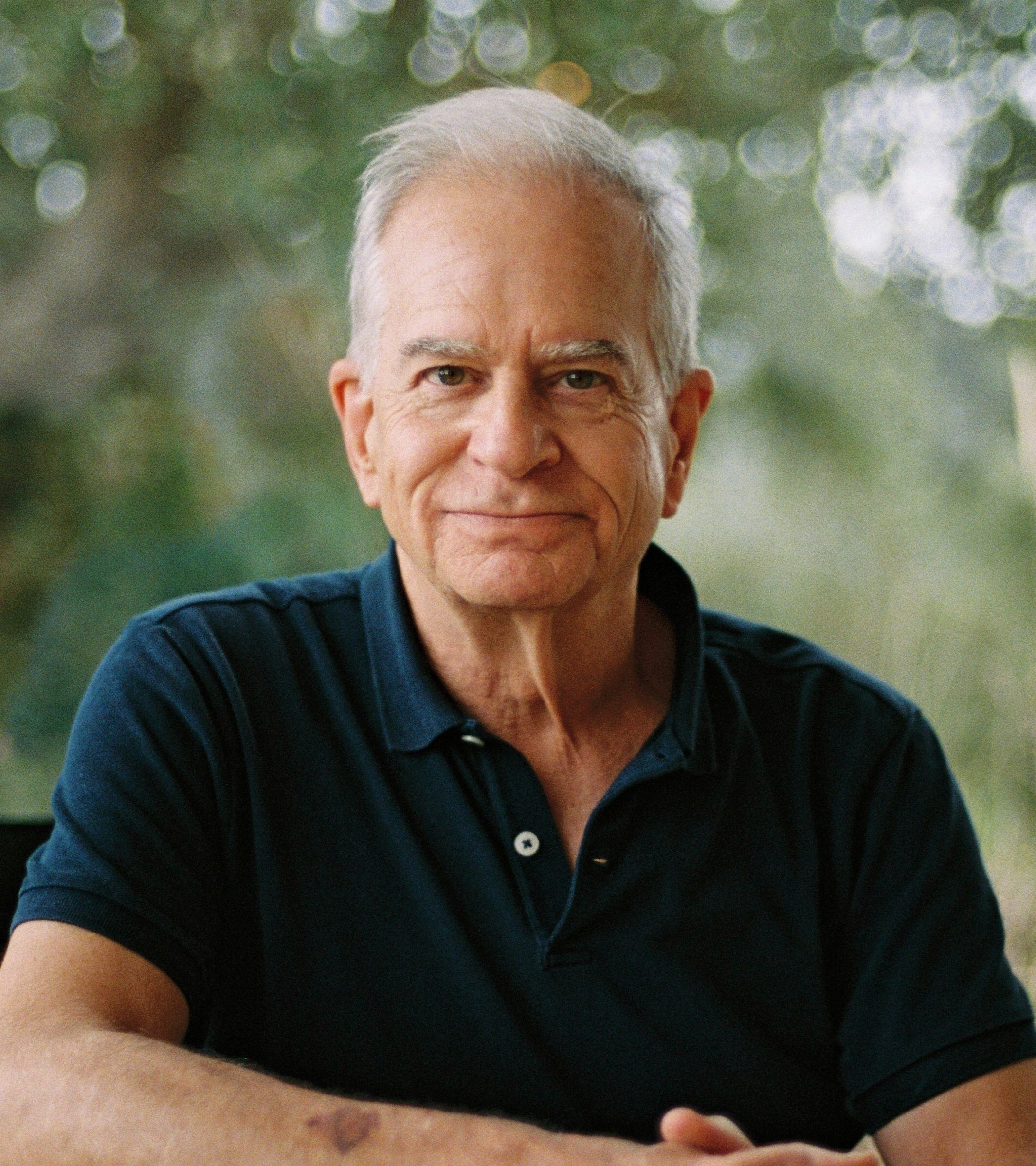
Glenn Barnes
Glenn believes in the power of the human heart clothed in the written or uttered word. Like many, he is outraged and heartbroken by much of the present power politics in the world. He believes that literature and the act of translation can help inspire heart and minds and galvanize actions that can, directly or indirectly, improve the world. Maybe improving it only a little, but maybe that little will prove crucial.
Glenn worked as an attorney and professor of law, served on the Board of the Philadelphia Lawyers for Social Equity (PLSE), a non-profit offering free legal representation to low-income people in underserved communities.
For over 50 years, Glenn has been writing poetry. He worked with the human rights activist and poet Carolyn Forché, and the poets Albert Goldbarth and A.R. Ammons. Most recently hes worked with the poet, novelist and essayist, Shann Ray.
Glenn was a Pew Fellowship in the Arts finalist in Poetry and a past winner of the Philadelphia City Paper’s “Best Poem of the Year”.
His work has been published in various places, most recently in the anthology, We Are All God’s Poems (Unsolicited Press, 2024).
Below is a brief interview about his vision of literature and editorial curation:
Let’s start a bit off topic. How did you come to be living in Portugal?
My wife, Ruth Shaber, and I, were looking for an second national home. We’d always been interested in living, for a time, in Europe. Portugal’s Golden Visa program presented an opportunity and, in 2020, we applied for Portuguese residency. At first we thought of the program as a way to get a foothold in the EU, but we fell in love with Portugal, with Lisbon, with our new neighbors and Portuguese friends, the architecture and deep history. We met my co-editor Daniela who suggested I read beyond Fernando Pessoa (an equal to Kafka and Borges in my opinion) and she and others introduced me to the rich literary world of Portuguese writers and poets whom I did not know, such as Eça de Queirós, Sophia de Mello Breyner Andresen and Eugénio de Andrade. Lisbon and Portugal became our best home.
Why did you begin to write poetry?
When I was 14, my mother showed me a translation of Arthur Rimbaud’s Une Saison en Enfer. I was bewildered in a way that beguiled. I had a strong if inarticulate sense of the enormous power of thi work’s startling language. Shortly after, I listened to Bob Dylan’s Desolation Row. These works change me. I wanted to be a poet. In high school I read Baudelaire, Blake, Keats, Yeats, Eliot, Wallace Steven and others. There was no turning back.
Unlike Rimbaud and Dylan, it took me many years to gain consistent competence. My slow maturation reminds me of Blake’s proverb: “If a fool doth persist in his folly, he shall be wise.” I persisted. I may not be wise, but my skills are competent and sometimes, a bit more than competent.
What do you hope readers will find when they open an issue of the magazine?
Poetry, prose and artwork that will open their hearts and minds, that will initiate or enlarge reciprocal appreciations of Portuguese and English contemporary and past literature, and that will leave them a little less lonely, a quality all great art brings.
What place do you want the magazine to occupy in the literary landscape?
There are too few dynamic literary magazines presently in Portugal. We’d like to fill that space, offering primarily Portuguese writers a forum to share their best work with each other and, not always but often, to engage in the process of translation and reap the enormous gifts successful translation offers readers and listeners.
Biografia
O Glenn acredita no poder do coração humano expresso através da palavra escrita ou falada. Tal como muitos, sente-se indignado e de coração partido com grande parte da política de domínio que se vive atualmente no mundo. Acredita que a literatura e o ato de traduzir podem ajudar a inspirar o coração e a impulsionar ações que, direta ou indiretamente, podem melhorar o mundo – talvez apenas um pouco, mas esse pouco venha a ser crucial.
Trabalhou como advogado e professor de Direito, integrou o Conselho de Administração da Philadelphia Lawyers for Social Equity (PLSE), uma organização sem fins lucrativos que oferece assistência jurídica gratuita a pessoas de baixos rendimentos em comunidades desfavorecidas.
Há mais de 50 anos que o Glenn escreve poesia. Trabalhou com a ativista de Direitos Humanos e poetisa Carolyn Forché e com os poetas Albert Goldbarth e A.R. Ammons. Mais recentemente, trabalhou com o poeta, romancista e ensaísta Shann Ray.
Glenn foi finalista da Pew Fellowship in the Arts na categoria de Poesia e vencedor do prémio «Melhor Poema do Ano», do Philadelphia City Paper. O seu trabalho foi publicado em vários espaços editoriais, mais recentemente na antologia We Are All God’s Poems (Unsolicited Press, 2024).
Segue-se uma breve entrevista sobre a sua visão da literatura e da curadoria editorial:
Comecemos com uma pergunta um pouco à margem do tema. Como é que acabaste por vir viver para Portugal?
A minha mulher, Ruth Shaber, e eu procurávamos um segundo lar. Sempre tivemos interesse em viver, durante algum tempo, na Europa. O programa dos Golden Visa de Portugal apresentou-nos essa oportunidade e, em 2020, candidatámo-nos à residência portuguesa.
Ao início, pensámos no programa como uma forma de ganharmos uma base na União Europeia, mas acabámos por nos apaixonar por Portugal, por Lisboa, pelos nossos novos vizinhos e amigos portugueses, pela arquitetura e pela profundidade da sua História.
Conhecemos a minha coeditora Daniela, que me sugeriu que lesse para além de Fernando Pessoa — que considero estar ao nível de Franz Kafka e Jorge Luis Borges — e ela, juntamente com outras pessoas, apresentou-me ao rico universo literário de escritores e poetas portugueses que eu desconhecia, como Eça de Queirós, Sophia de Mello Breyner Andresen e Eugénio de Andrade.
Lisboa e Portugal tornaram-se a nossa melhor casa.
Porque é que começaste a escrever poesia?
Quando tinha 14 anos, a minha mãe mostrou-me uma tradução de Une Saison en Enfer. Fiquei desconcertado, mas de uma forma que me fascinou. Tive uma perceção forte, embora ainda pouco articulada, do enorme poder da linguagem surpreendente daquela obra.
Pouco depois, ouvi Desolation Row. Estas obras mudaram-me. Quis ser poeta.
No liceu li Charles Baudelaire, William Blake, John Keats, W. B. Yeats, T. S. Eliot, Wallace Stevens e outros. Não havia volta a dar.
Ao contrário de Rimbaud e Dylan, demorei muitos anos a ganhar uma competência consistente. O meu amadurecimento lento faz-me lembrar o provérbio de Blake: “If a fool doth persist in his folly, he shall be wise.”
Persisti. Posso não ser sábio, mas as minhas capacidades são competentes e, por vezes, um pouco mais do que isso.
O que esperas que os leitores encontrem quando abrirem uma edição da revista?
Poesia, prosa e obras de arte que lhes abram o coração e a mente, que iniciem ou ampliem a valorização recíproca da literatura portuguesa e inglesa, contemporânea e do passado, e que os deixem um pouco menos solitários, uma qualidade que toda a grande arte traz.
Que lugar queres que a revista ocupe no panorama literário?
Atualmente, há muito poucas revistas literárias dinâmicas em Portugal. Gostaríamos de preencher esse espaço, oferecendo principalmente aos escritores portugueses um fórum para partilharem os seus melhores trabalhos entre si e, nem sempre, mas muitas vezes, para se envolverem no processo de tradução e nos enormes benefícios que uma tradução bem conseguida oferece aos leitores e ouvintes.